Kapanda
Exploring energy access in a remote Congolese village
Introduction
In October 2023, Resource Matters visited Kapanda village in Luilu twice in two days to understand the current socio-economic and electrical conditions of the village in order to assess the feasibility of installing a mini solar grid. Below are the key insights from our fieldwork.
🚗 Getting to Kapanda: so near and so far from Kolwezi
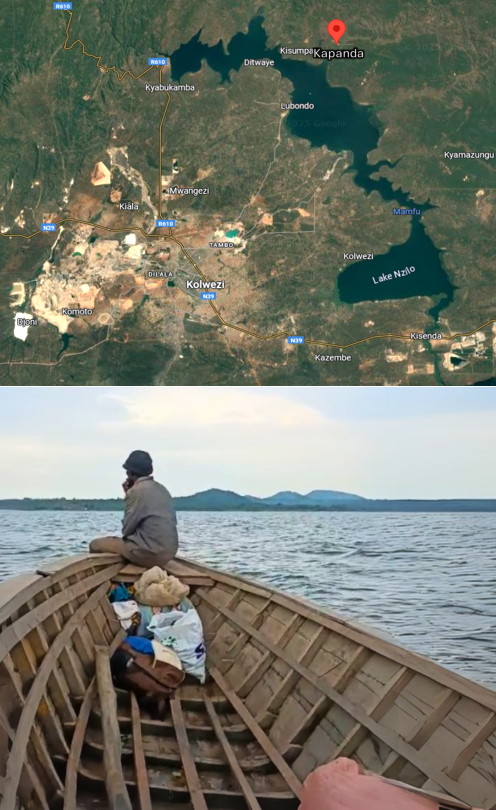
Kapanda is deeply enclaved and difficult to access. From Kolwezi, the trip takes about 7 hours by road. Using a combination of car and boat shortens the journey to 3.5 hours, but infrastructure challenges remain. The road quality is very poor, complicating the transport of materials and people. This level of isolation heavily influences the village’s development and access to basic services.
🏠 Who lives in Kapanda? Population and housing realities
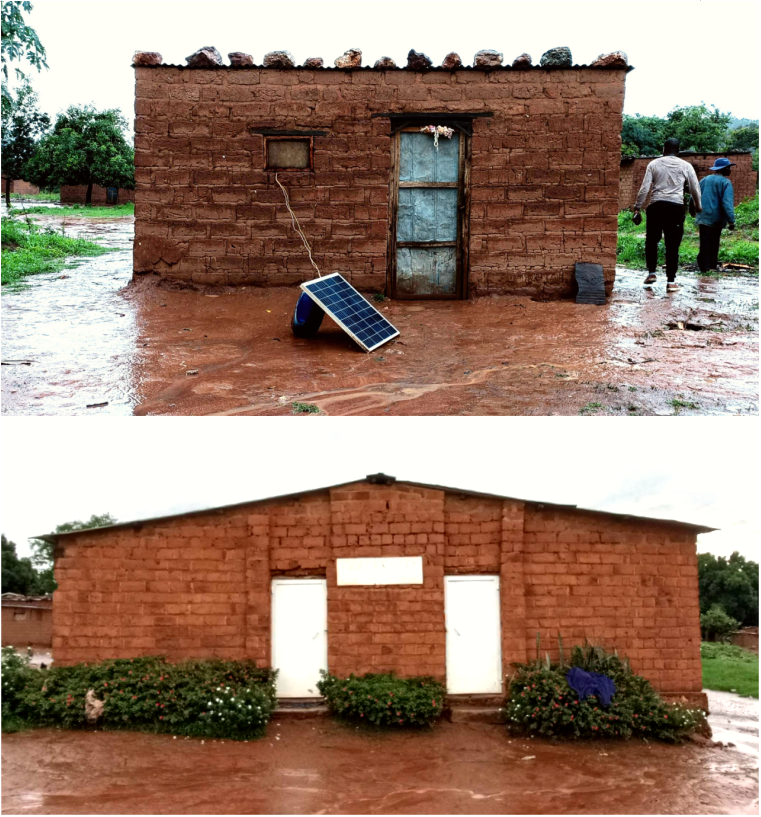
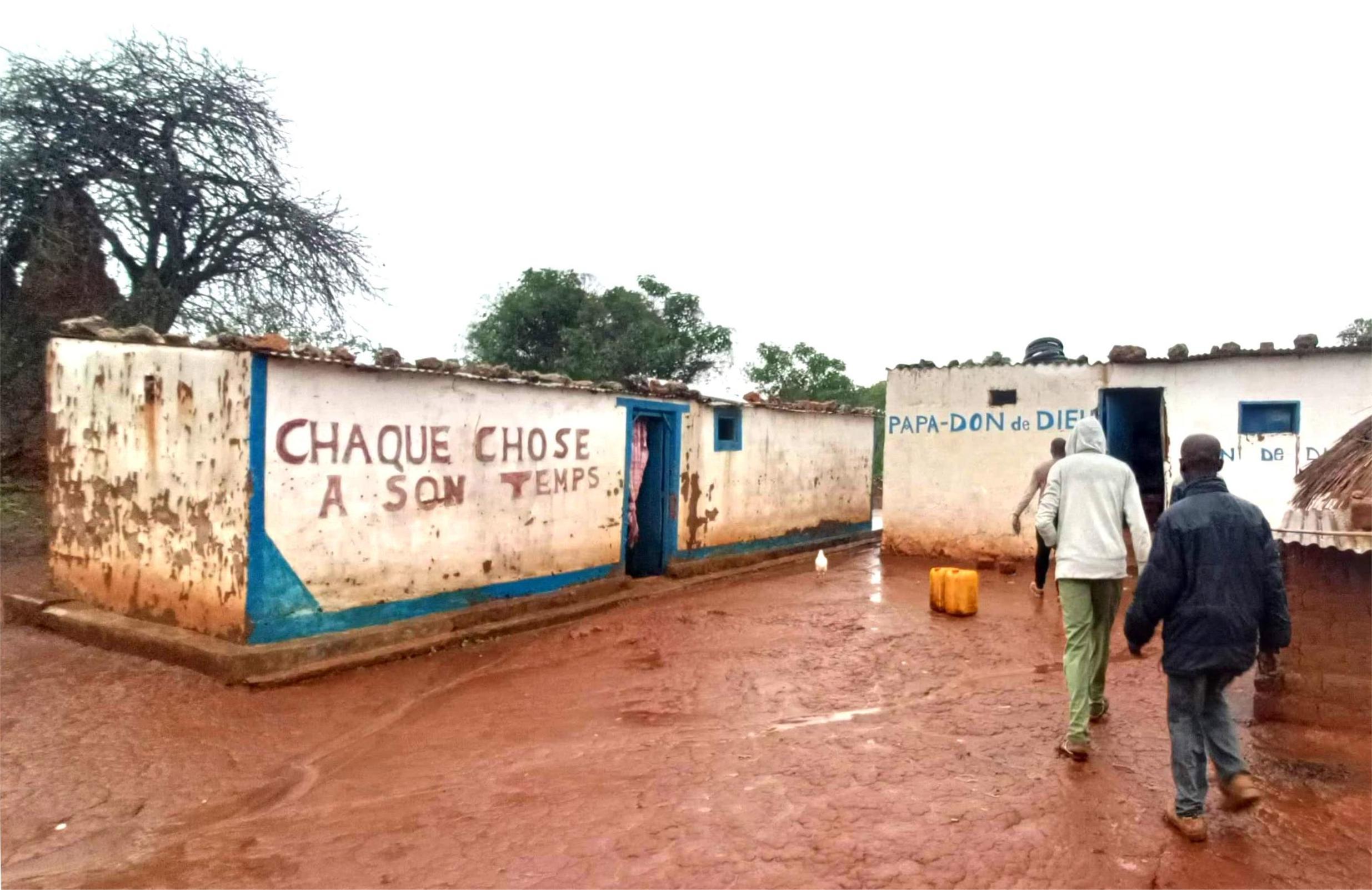
According to the village chief, Kapanda has a population of around 4,000 people. During our visit, we observed a much smaller number of households concentrated in the central area we assessed—likely closer to 200 residents. It’s possible that the chief was referring to a broader area that extends beyond the part of the village we visited. Most homes were built with sand bricks and typically consisted of a single room. The interiors we saw had little to no furniture, including no visible beds. A communal brick oven was used for firing bricks, which reflects local construction practices based on available materials.
🌾 Local economy: farming, small shops, and community life
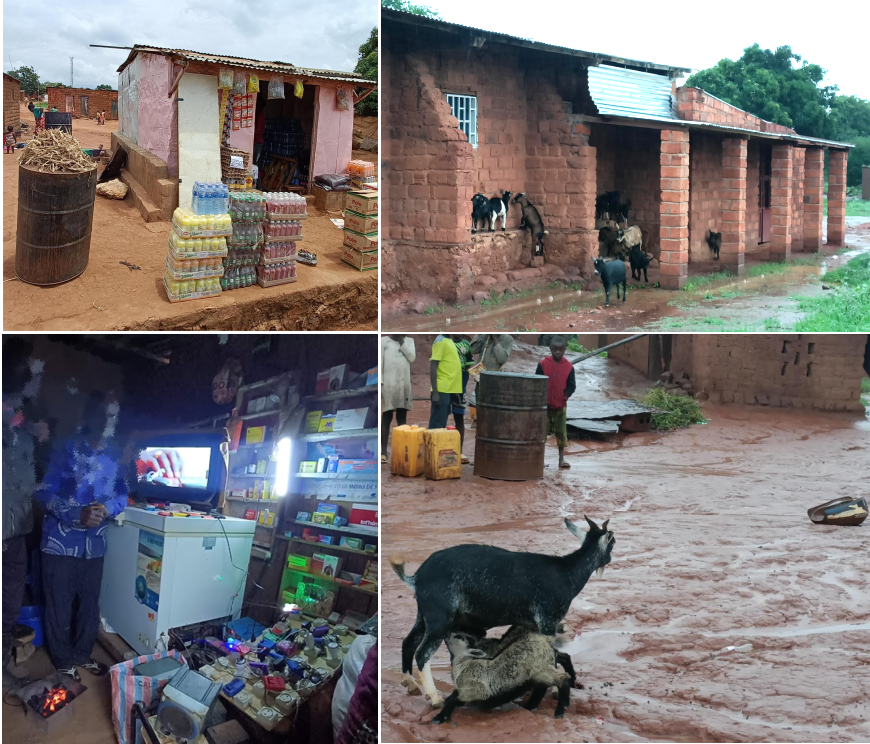
Subsistence agriculture, especially cassava farming, is the main economic activity in Kapanda. There is also hunting and sheep herding. Commercial infrastructure is low—just a pharmacy, a general store, and two small bars. The pharmacy stands out with its small refrigerator and a phone charging station, suggesting a partial access to power and community-level services.
⚡ Electricity access: dark nights & diesel generators
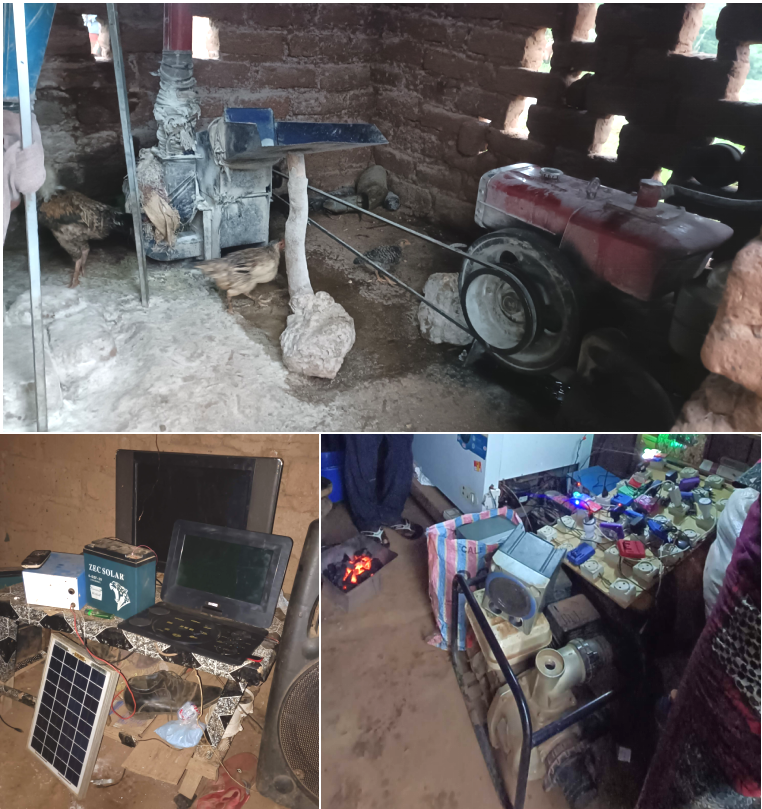
Electricity is rare in Kapanda. Most houses were already dark by late afternoon, and we saw no signs of household lighting. However, several diesel generators are used to power cassava mills housed in small, detached buildings. These systems are privately owned, not shared. At the chief’s home, we found a small solar kit powering a TV, stereo, and phone charging station. The pharmacy also had charging stations and a fridge, showing limited but strategic use of electricity.
⛏️ Mining presence: potential energy clients?
A Chemaf mining concession is located within Kapanda. During our visit, we observed artisanal mining activity roughly 600 meters away. The community chief also reported that Lerexcom mining company conducted prospecting work around 6 kilometers from the village and plans to return for exploration. The proximity of these operations could influence local infrastructure and energy needs.
⛽ Fuel access: fuel scarcity and price disparities
Fuel access in Kapanda is extremely limited. Fuel oil is not sold in the village at all. Petrol gasoline is available—but expensive. In Kolwezi, it costs 3,500 Congolese Francs (1.21 USD) per liter, while in Kapanda it rises to 5,000 CF (1.73 USD). This price difference reflects the logistical difficulties of transporting fuel to such a remote area and underscores the need for alternative energy solutions.
🔍 What we learned — and what’s next
Kapanda’s remoteness, minimal infrastructure, and lack of formal electricity access all point to a high-need, high-impact opportunity for a minigrid project. Some anchor loads exist (pharmacy, mills, and phone charging), and the population—though small—is concentrated enough to support centralized electrification. Continued mining activity nearby may also accelerate demand. We look forward to exploring next steps and welcome any questions about our findings.
Have questions or feedback? Get in touch!